
North Carolina Warrant Records
North Carolina warrant records are public documents held by sheriff offices and clerks of superior court in all 100 counties. These records cover active arrest warrants, bench warrants, and search warrants issued by judges and magistrates across the state. You can search for warrant records through county sheriff offices, online portals, and state databases maintained by the Department of Public Safety. Whether you need to check a warrant status or look up public records, North Carolina provides several ways to find and access warrant information from any county.
North Carolina Warrant Records Quick Facts
Where to Find North Carolina Warrant Records
Warrant records in North Carolina come from two main sources. The county sheriff is the primary agency that handles warrants. Each of the 100 county sheriff offices keeps records of active warrants, served warrants, and warrants returned to the court. The clerk of superior court in each county stores the official court files for every warrant issued within that jurisdiction.
The North Carolina Department of Public Safety runs state databases that hold warrant and criminal record data from across the state. This agency works with local sheriff offices to share warrant information across county lines. The NC DPS manages records for offenders on probation or post-release supervision throughout North Carolina. Their site provides links to offender search tools and public safety resources that can help with warrant lookups statewide.
Many county sheriff offices in North Carolina now offer Police to Citizen portals. These P2C sites let you search warrant records, view wanted person lists, and check jail rosters online. Not every county has one, but the number grows each year. Contact your local sheriff office to ask about online access to warrant records in your part of the state.
North Carolina Online Warrant Search
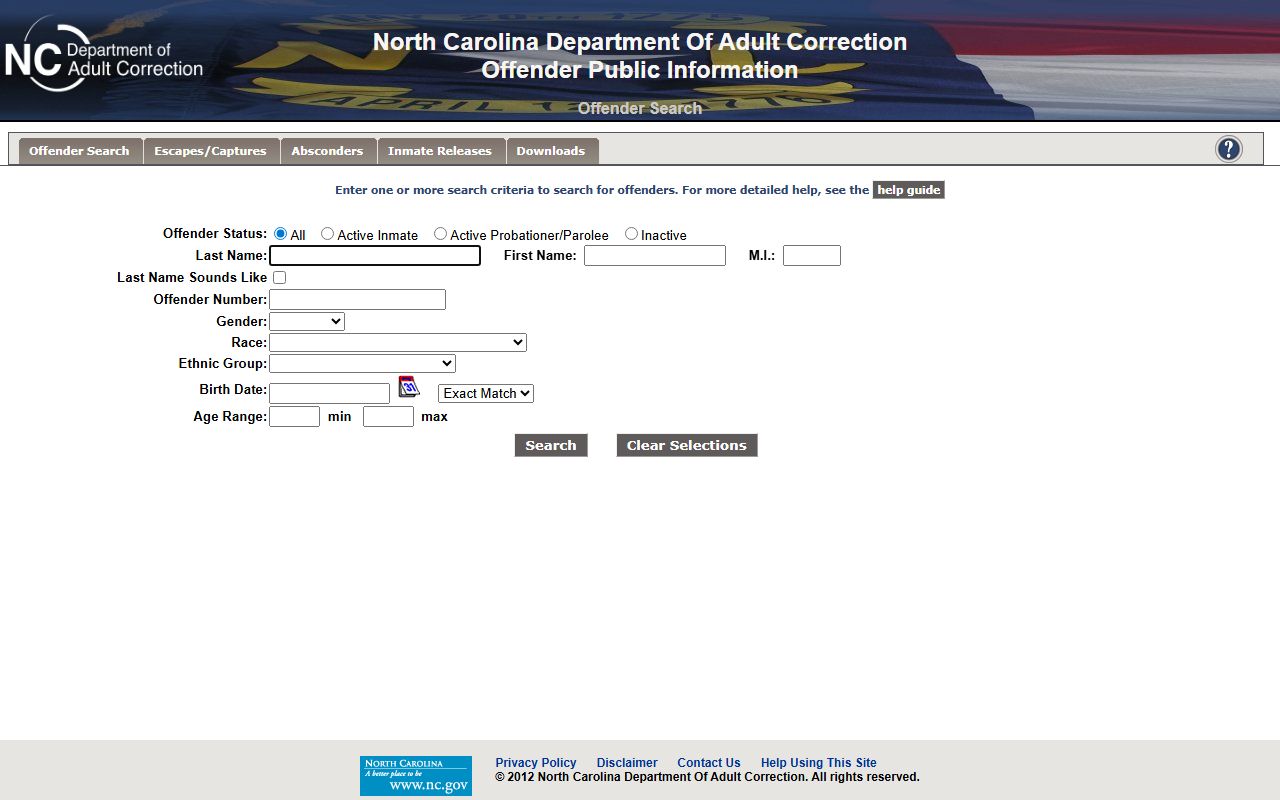
Several online tools help you search for warrant records in North Carolina. The NC Offender Public Information Search lets you look up offenders by name across the entire state. This database shows criminal records tied to probation and parole cases. It is free to use and covers all of North Carolina.
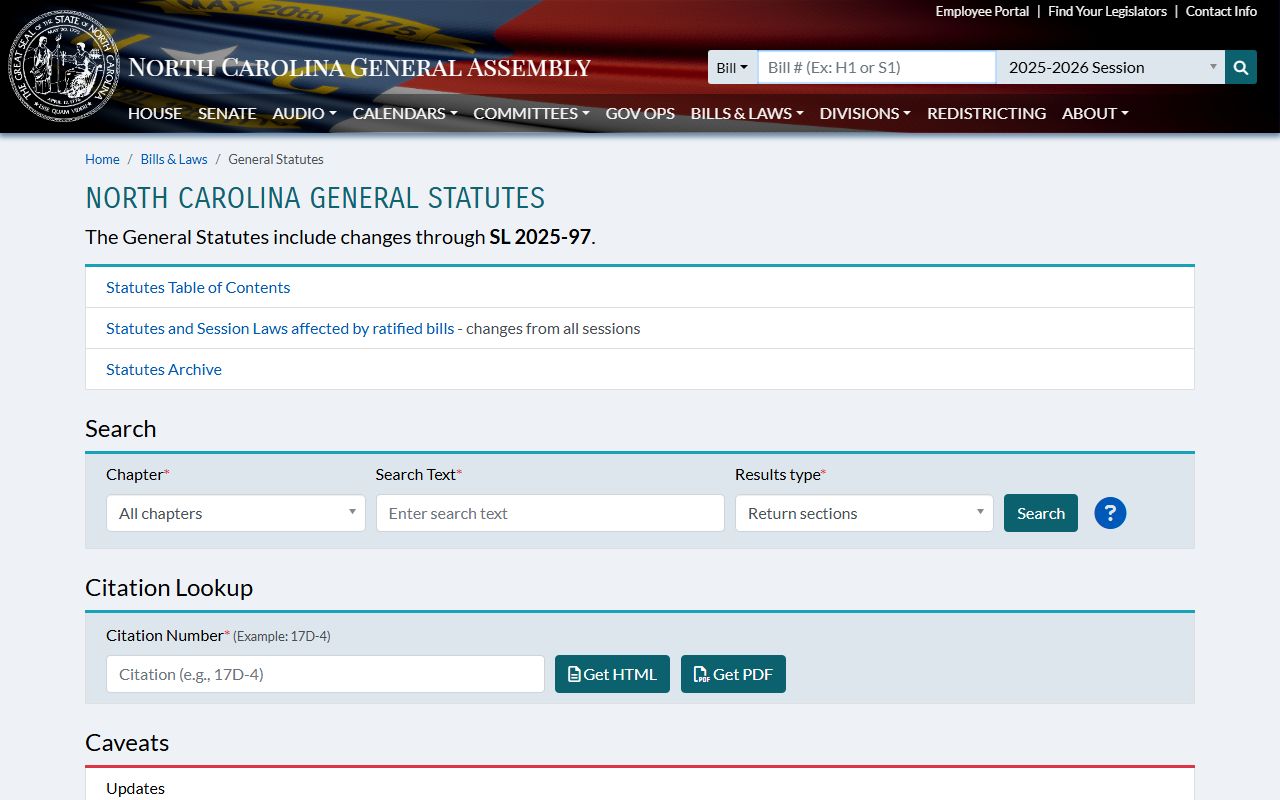
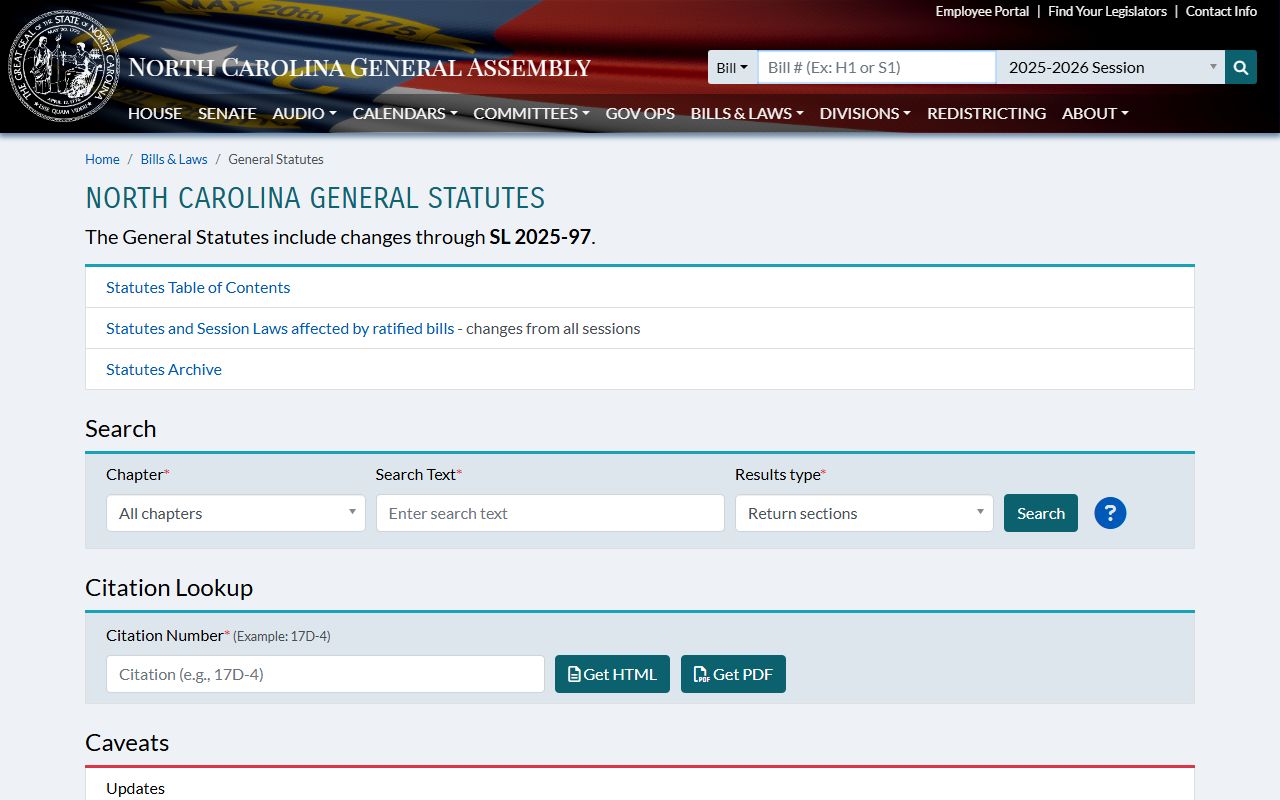
The North Carolina Judicial Branch maintains an eCourts portal for court records across all 100 counties. You can search by name or case number to find cases that involve warrant activity. The system is free for basic case information including charge details and court dates. Under N.C.G.S. Chapter 15A, all warrants issued in North Carolina must be entered into the statewide warrant repository. The Electronic Repository established under Section 15A-301.1 ensures that warrant records from courts across the state flow into one central system for tracking and verification.
Note: Online warrant databases may not show the most current status of every record in North Carolina.
Types of Warrants in North Carolina
North Carolina courts issue several types of warrants. Each one serves a different role in the justice system and creates its own set of records.
Arrest warrants are the most common type. A judge or magistrate issues an arrest warrant under N.C.G.S. Section 15A-304 when there is probable cause that a person committed a crime. The warrant names the person, describes the offense, and gives officers the power to take that person into custody anywhere in North Carolina. Bench warrants come from a judge when someone fails to show up for a scheduled court date. These are frequent in North Carolina court records. Search warrants allow officers to look through a specific place for evidence of a crime. Orders for arrest under Section 15A-305 direct law enforcement to bring a person before the court for violations such as broken probation terms.
North Carolina warrant records typically include the following details:
- Full name and description of the person
- Type of warrant issued
- Charges or reason for the warrant
- Issuing court and judge
- Date of issuance
- Bond amount if set
All warrant types create records that enter the county court file and the statewide repository. Sheriff offices keep their own copies of warrants they serve. The clerk of superior court stores the official documents as part of the case file in North Carolina.
North Carolina Warrant Records and Public Access
The North Carolina Public Records Act under G.S. Chapter 132 gives residents the right to access government documents. Warrant records fall under this law. Once a warrant has been served or returned to the court, it becomes a public record. Anyone can ask to see it. You do not need to be the person named on the warrant to request access in North Carolina.
Some limits apply. Active warrants may stay sealed if releasing them could harm an ongoing case or put officers at risk. This falls under G.S. Section 132-1.4, which covers criminal investigation records. Once a warrant is no longer active, most limits lift. The full record then opens to the public under North Carolina law. You can request warrant records in person at any sheriff office or clerk of court. Written requests work by mail. Fees for copies follow G.S. Section 132-6.2, and viewing records in person is free at any office in North Carolina.
Note: Certified copies of warrant records cost more than plain copies at most North Carolina courts and sheriff offices.
Sheriff Warrant Services in North Carolina
Every county in North Carolina has an elected sheriff. Warrant service is one of the core jobs of each office. Deputies carry out arrest warrants, serve search warrants, and process bench warrants on behalf of the courts. Each office keeps detailed records of every warrant it receives and serves.
The North Carolina Sheriffs' Association supports all 100 county sheriff offices across the state. Their site offers a full directory of offices and links to local resources for warrant lookups. Under N.C.G.S. Section 15A-401, any sworn officer with jurisdiction can serve a warrant in North Carolina. This lets deputies from one county help serve warrants that come from another. Sheriff offices use the statewide warrant repository to track active warrants across all of North Carolina and coordinate service with other agencies.
Most sheriff offices have a records division that handles public requests. Hours run Monday through Friday, 8:00 AM to 5:00 PM in most counties. Call ahead to confirm what warrant records are available and what you need to bring. Copies of records carry a small fee, but viewing them in person is free under state law in North Carolina.
NC Background Checks and Registries
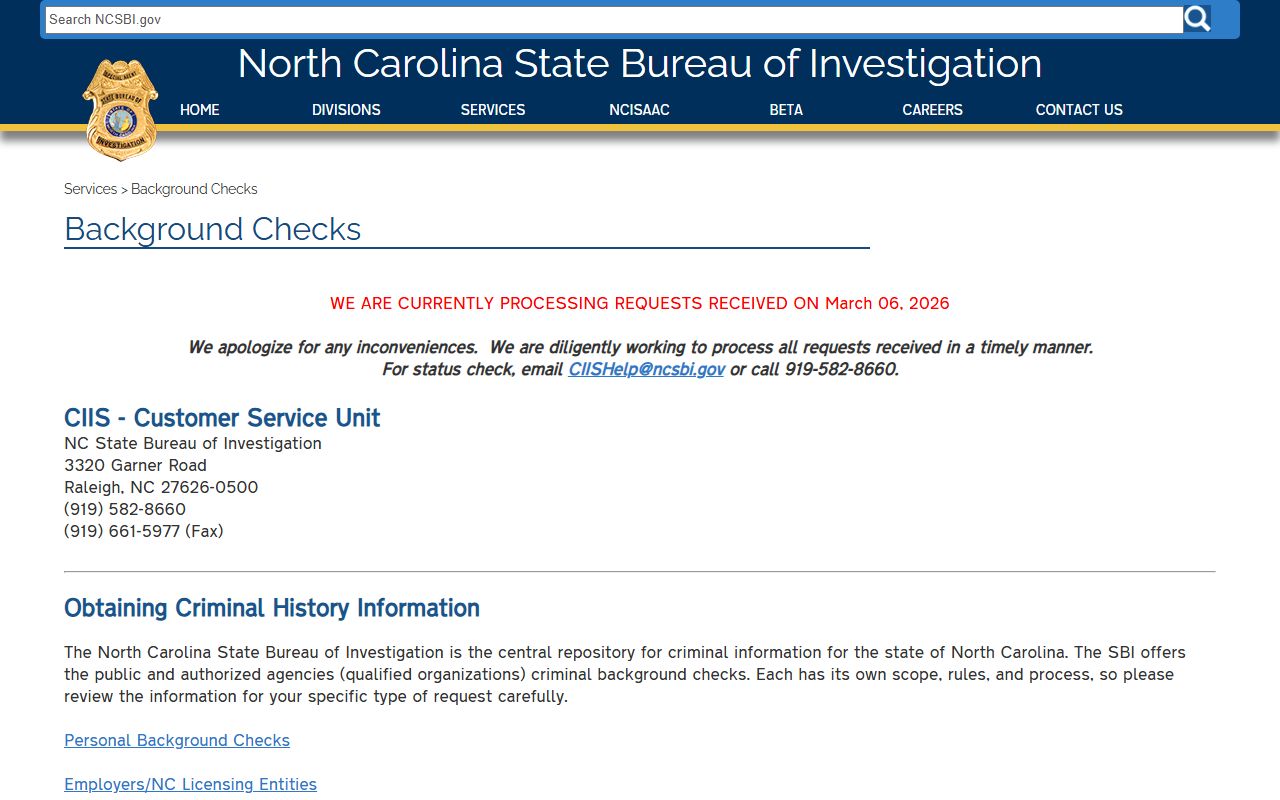
The North Carolina State Bureau of Investigation provides background check services that may show past warrant activity. An SBI background check costs $25 and covers criminal records from across the state. You can also get a background check through the clerk of superior court at the county level for the same fee in North Carolina.
The North Carolina Sex Offender Registry is a separate state database. It tracks registered offenders and shows their compliance status across the state. Failure to register can lead to new warrants being issued. This registry is free to search and covers all of North Carolina.
For court records and case files that relate to warrants, the NC courts website provides case information from every county. You can also check court calendars to find upcoming hearings for warrant cases. The NC Division of Adult Correction manages records for individuals in the state prison system, including those with warrant histories. These tools provide different ways to search for warrant records across North Carolina.
Browse North Carolina Warrant Records by County
Each county in North Carolina has its own sheriff office and clerk of court that keeps warrant records. Pick a county below to find local contact info and warrant record resources.
Warrant Records in Major North Carolina Cities
Residents of major cities can search warrant records through their local police department or the county sheriff office. Pick a city below for warrant record details in that area.