
Columbus County Active Warrants
Columbus County warrant records are on file at the Sheriff's Office and the Clerk of Superior Court in Whiteville. The county covers a large area of southeastern North Carolina near the South Carolina border. You can look up Columbus County warrant records by calling the Sheriff's Office or going to the courthouse in person. Both offices serve the public during weekday hours. This page covers the ways to search Columbus County warrant records, what the records contain, and how the public records request process works.
Columbus County Quick Facts
Columbus County Sheriff Warrant Lookup
The Columbus County Sheriff's Office headquarters is at 805 Washington Street in Whiteville. Reach them at (910) 640-6629. The office keeps records of all active warrants in Columbus County and is in charge of serving them under North Carolina law.
Services include warrant lookups, fugitive searches, and work with other agencies on warrants that cross county borders. To check a warrant, give the staff a full legal name and date of birth. You may also need extra details for an exact match. Phone calls can get basic warrant status confirmed. For detailed records or official documents, plan to visit in person. The office is open Monday through Friday during regular hours. There is no charge to ask if a warrant exists in Columbus County.
The Sheriff's Office also runs the Columbus County Jail. People booked on warrants are held at the jail until bond is posted, a judge orders release, or the case is resolved. Inmates go through booking that includes fingerprints, photos, and intake paperwork. You can contact the jail for details on anyone currently in custody in Columbus County.
| Office |
Columbus County Sheriff's Office 805 Washington Street Whiteville, NC 28472 Phone: (910) 640-6629 |
|---|---|
| Hours | Monday through Friday, regular business hours |
Note: The Columbus County jail follows standards from the NC Department of Health and Human Services for inmate care and housing.
Columbus County Court Records Access
The Columbus County Clerk of Superior Court is the official keeper of all warrant documents. The Clerk holds arrest warrants, bench warrants, search warrants, and civil warrants. These records follow rules set by the Administrative Office of the Courts.
Public terminals at the courthouse let you look up Columbus County warrant records by name or case number. The terminals tap into the statewide court system. Staff can help you find specific records. Certified copies run $0.25 per page for standard prints. Certification costs extra. The courthouse is open Monday through Friday from 8:30 AM to 5:00 PM. Older Columbus County warrant records may be stored in archives. Pulling them could take more time.
The NC Public Records Law under N.C.G.S. § 132-1 requires that these records be available to the public. Anyone can ask to see them during business hours.
What Columbus County Warrants Contain
A Columbus County warrant lists the subject's full name and any aliases. It gives the date of birth and physical details. The crime is cited with the matching North Carolina statute. Probable cause is spelled out. The issuing judge or magistrate signs and dates the warrant.
Arrest warrants show bond amounts and release conditions. Bench warrants name the court case and the missed date. Search warrants describe the target location and items sought. Under N.C.G.S. § 15A-301, all Columbus County warrant data enters a statewide tracking system. This lets any law enforcement office in North Carolina see the warrant. Some Columbus County warrant records may be sealed or restricted when tied to open investigations or confidential sources.
The North Carolina Sheriffs' Association helps county offices manage warrant records.

Visit the NC Sheriffs' Association for information on law enforcement practices that apply to Columbus County warrant records.
Outstanding Warrants in Columbus County
An outstanding warrant in Columbus County does not expire. It stays active until the person is found and arrested or the court recalls it. Bench warrants for missed court dates work the same way. Law enforcement can serve a warrant at any hour of the day.
To check if you have an outstanding warrant in Columbus County, call the Sheriff's Office at (910) 640-6629. Give your full name and date of birth. Staff will search the active list. You can also visit the Clerk of Court to check court records. If you learn that a warrant exists, seek a lawyer before contacting the Sheriff. Showing up at a law enforcement office with a warrant can lead to arrest. An attorney can often set up a court date or a voluntary surrender to handle it.
The North Carolina offender search tool offers a statewide lookup for people connected to the corrections system.
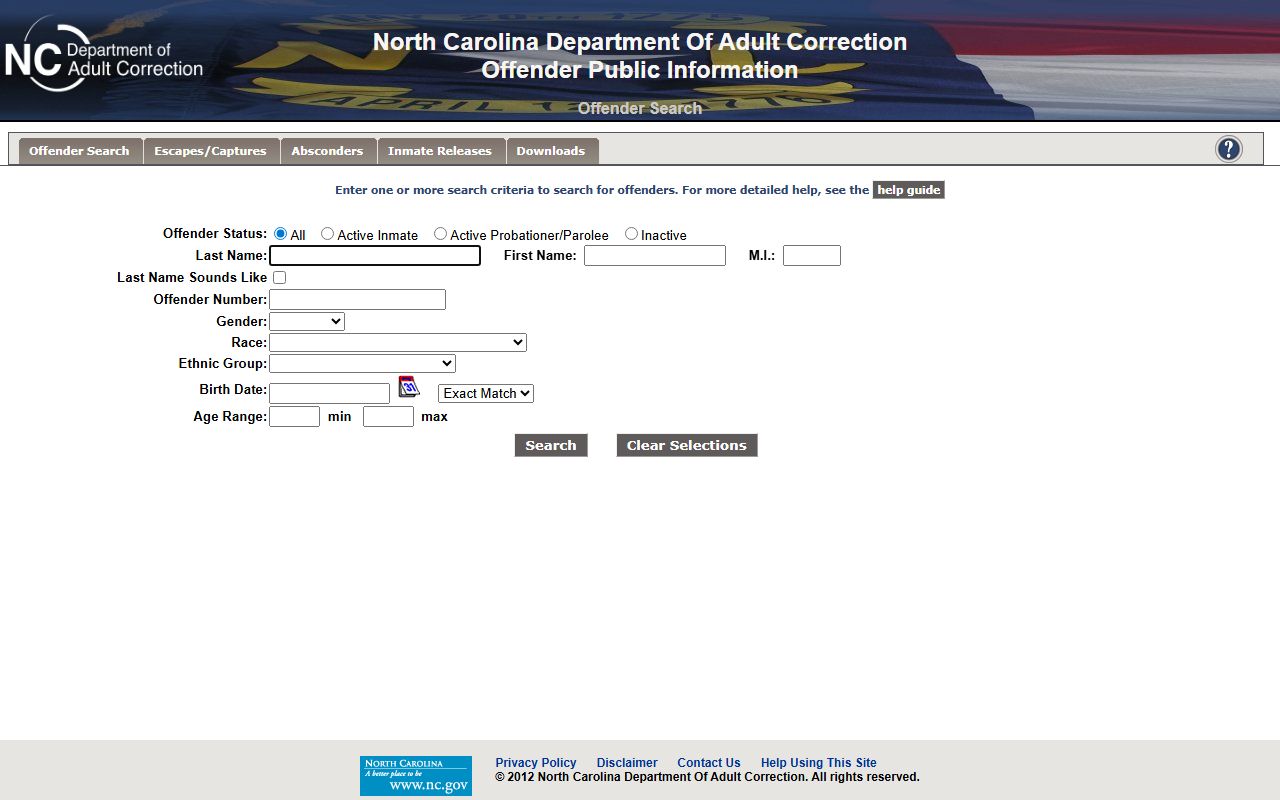
The NC Offender Search can help find statewide records that may relate to Columbus County warrant records.
Note: Outstanding Columbus County warrants are tracked in a statewide system so any law enforcement officer in North Carolina can see them.
Requesting Columbus County Records
You can get Columbus County warrant records from the Sheriff's Office or the Clerk of Court. The Sheriff has law enforcement files and notes on how warrants were served. The Clerk has the court documents and case files. Pick the right office for what you need.
Write out your request when you can. Include names, dates, case numbers, and what type of record you want. Agencies must respond quickly under state law. Simple requests are fast. Complex ones may take longer. Copy fees cover only the cost of making prints. Advance payment may be asked for under N.C.G.S. § 132-6.2 if the bill will be large.
Social security numbers, informant names, and details from active cases get removed from Columbus County warrant records before they go out. If your request is denied, you may appeal to the North Carolina Attorney General's Office.
The NC Department of Public Safety provides statewide resources that may help with searches tied to Columbus County warrant records.
Nearby Counties
Columbus County shares borders with these counties. Check that you are searching the right county for the warrant you need. Courts issue warrants based on where the alleged offense occurred.